
Modern financial markets are changing rapidly. Blockchain, cryptocurrency, stablecoins and decentralized finance are more than buzzwords among younger investors in ¶¶Òõh and across America — they represent emerging opportunities rooted in a desire for greater financial freedom.
This innovation is good for our state’s economic future, but as digital assets become more mainstream, Congress must ensure investor safeguards and regulatory certainty are nonnegotiable to prevent unnecessary financial risks and protect hardworking families. There are many countries around the globe that have already achieved this balance.
As the author of several crypto-related bills, including Louisian’s Virtual Currency Kiosk Act, I’ve seen firsthand the importance of balancing innovation with responsibility. That law — which established clear rules for cryptocurrency kiosks — set a daily transaction limit of $3,000, created a 72-hour refund right for users and required kiosk operators to use blockchain analytics to detect fraud. It also mandated warning labels and anti-fraud policies to protect older adults and first-time investors from scams.
We didn’t pass these laws to discourage investors and consumers — we passed them to build trust and demonstrate to the country that ¶¶Òõh was ready to embrace innovation. ¶¶Òõhns deserve the opportunity to participate in new financial markets without fearing that bad actors will take advantage of them. That same philosophy should guide federal digital-asset legislation.
That’s why I also authored House Resolution 317, which created a state legislative subcommittee to study artificial intelligence, blockchain and cryptocurrency. ¶¶Òõh can’t afford to wait for Washington to catch up — we need to lead the conversation on how emerging technologies are regulated, how consumers are protected and how economic opportunity can grow safely across our state.
The generational story is clear. Surveys show younger adults are far more likely to have participated in crypto markets than older cohorts. Pew Research reports that about 4 in 10 men ages 18-29 say they have invested in, traded or used cryptocurrency — far higher than among older adults.
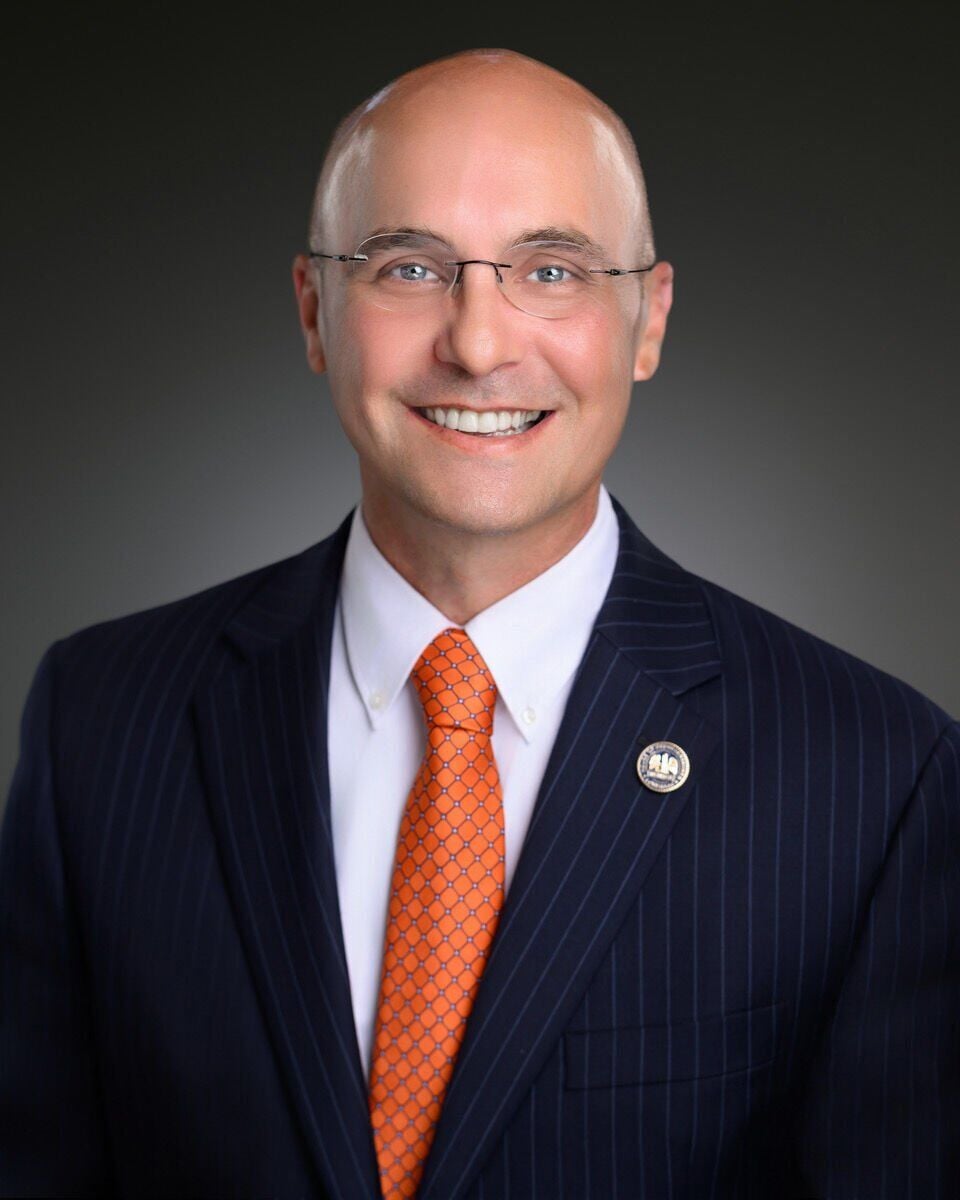
Rep. Mark Wright.
The “new investors of 2020� skew younger, more diverse and more tech-savvy. Even beyond crypto, Gen Z is entering financial markets earlier than any generation before, with an average investing start age of 19.
Crypto also plays a major role in Louisian’s financial landscape, where many residents have historically been excluded from traditional banking systems. Federal data show Louisian’s unbanked rate is among the highest in the nation — roughly 8% — meaning thousands of families turn to alternative options. Digital finance can expand access, but without safeguards, these same families are left vulnerable to fraud and volatility.
That’s why Congress must act and finish the job. Lawmakers should provide clear and simple rules of the road that mirror the consumer-protection standards Louisian has already adopted: transparency and registration requirements for trading platforms, best-execution obligations to secure fair pricing for users, volatility controls to prevent cascading losses during sharp market swings and strong anti-fraud and anti-money-laundering standards to promote trust and accountability.
The troubling reality is that some proposed reforms in Washington do the opposite — creating loopholes that exempt developers and exchanges from the same foundational safeguards that have long made U.S. markets the safest and most trusted in the world. ¶¶Òõh knows better. We’ve proven that innovation and accountability can coexist.
¶¶Òõhns deserve transparency, fairness and strong oversight.
Otherwise, the excitement of today’s digital markets could become tomorrow’s “wild west,� leaving hardworking Americans to shoulder losses that smarter policy could have prevented. Louisian has set the example — now Congress must finish the job.