

Whew! What a whirlwind of a month. Those 28 days flew by. Well, February is the shortest month of the year, so there you have it.
In those days, my church and many other Black churches, along with schools, libraries and various organizations celebrated Black History Month in some form.
Children were playing the roles of or giving short talks about everyone from Harriet Tubman to Rosa Parks, to Malcolm X and many heroes in Black history. Some even tried to mimic the incredible speaking style of civil rights hero Martin Luther King Jr.
I don’t know how many times I heard “Lift Every Voice and Sing,� the so-called Black national anthem.

Ed Pratt
Whoops, I must touch on that last part. It causes consternation from some people because they consider it a denunciation of the national anthem. Well, it’s not. Short explanation. "Lift Every Voice" is a prayerful historical record of more than 300 years of life that spanned life in chains, rape, lynchings, human degradaton to freedom.
That Black people would stand for the singing of that song is unremarkable given what it represents. Everybody ought to stand when the James Weldon Johnson-authored song is sung.
Now that BHM is over, I hope that the inclusion of historic people and events in Black history are not tucked away into the closet of lost subjects only to be revisited next year. There should be an ongoing effort to be inclusive in the classrooms, libraries and educational conversations.
But there is something else.
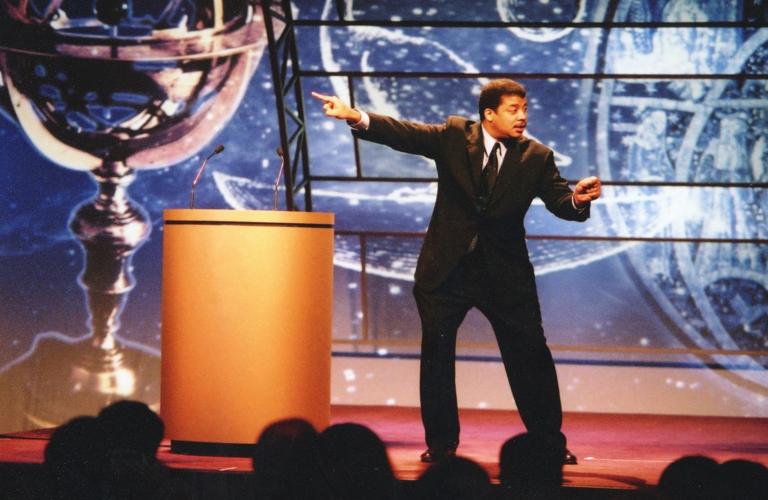
I’m hoping that experts in many fields, who happen to be Black, are invited to speak at schools, colleges, churches and organizations, and not to talk about being Black. Wait? What?
As the late Gary Coleman would say in the 1970’s sitcom "Diff’rent Strokes," “What you talkin’ bout, Willis?�
Yep, there are Black folks who can discuss business, law, the origins of the universe, finance, farming, mental health, heart surgery, organ transplants and any number of subjects, without ever referring to their race. Now their race is inescapable because the melanin in their skin is so pronounced.
But they can provide important information about a world of subjects without referring to their Blackness. That, to me, is an intangible part of Black history that can benefit everyone, regardless of race.
Please be assured that asking a Black person to speak to young people or to your organization is not a form of DEI, that dirty acronym that makes some folks anxious these days. These experts are simply great at what they do, and selecting one of them is not fishing them out of that Diversity, Equity and Inclusion pond.
However, DEI isn’t as bad a tool as some would suggest. Many times, those in the so-called DEI pool, because of the extra effort they had to put in to get recognized, are miles better than the others who may be selected based on a family or friend connection or because of who their parents are.
But my hope is not limited to schools.
When groups are discussing financial management, medicine, physics, the universe, land development, ¶¶Òõh and American history, there are dozens of Black experts in those fields. Every one of them can speak on those subjects without mentioning the word “Blackâ€� unless given a question from the audience.
But, for these things to happen there must be some “want to.� And that’s where the rubber meets the road. Folks making decisions on such things must be aware of a wide network of speakers and experts in certain fields.
Inviting those types of speakers will present to all that there are great people with expertise in all areas of daily life and future ambitions who just happen to be Black. That does as much in some instances as BHM subjects.
It’s these types of experiences for students and adults of all races that will do more justice to Black history and relevance.