


¶¶Òõhns up early Tuesday will be able to catch a rare celestial event.Â
From March 2 into the early hours of March 3, residents in many U.S. states, including those in the southeast, will be able to watch a , which is when both the sun and the moon are visible at the same time.Â
It’s the first eclipse , according to NASA, when a “Blood Moonâ€� could be seen in the night sky for over an hour. This is the last chance to spot a total lunar eclipse until New Year’s Eve 2028.Â
While the best places to see the phenomenon will be in Western parts of the U.S., ¶¶Òõh residents should still be able to see parts of the eclipse for about an hour Tuesday morning. In New Orleans, a map provided by NASA shows the event beginning at 5:04 a.m. and remaining visible through 6:03 a.m., with visibility peaking at 5:34 a.m.
Weather forecasts show clear skies Monday into Tuesday, with a slight possibility of some clouds and fog.Â
What is a selenelion lunar eclipse?Â
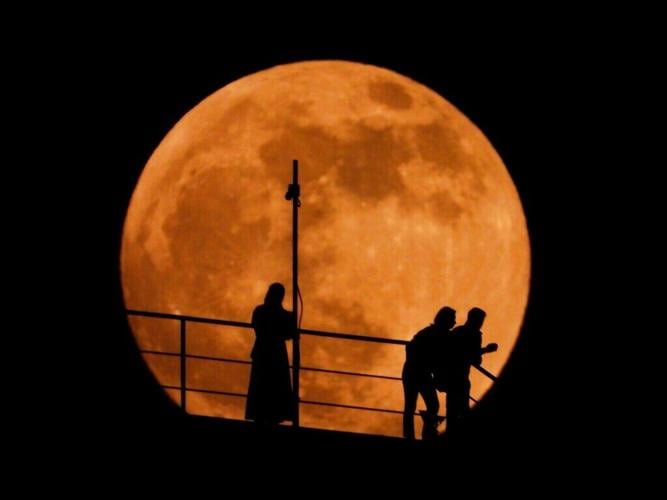
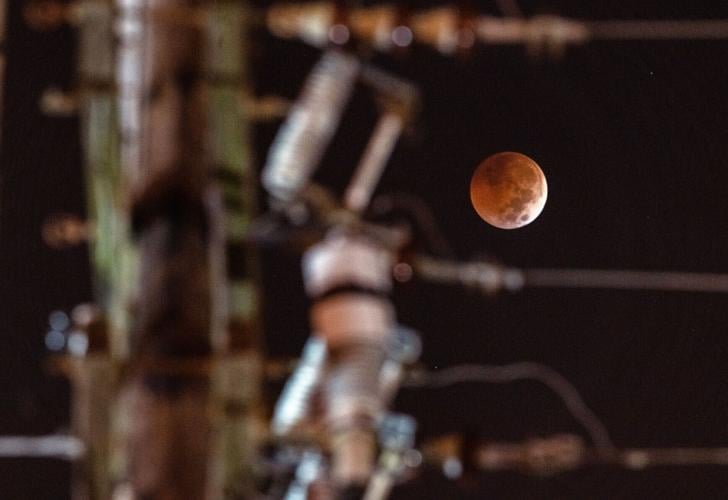
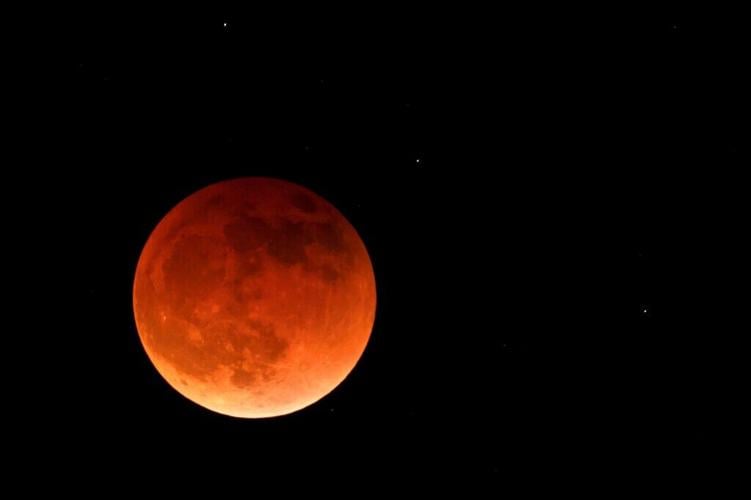
A total lunar eclipse, sometimes referred to as a “Blood Moonâ€� due to its distinct red-orange color, happens when the sun, Earth and moon align, causing the moon to pass completely into the darkest part of Earth’s shadow, NASA says. This phenomenon dims the moon and makes it appear red.Â
But a selenelion eclipse has a twist.Â
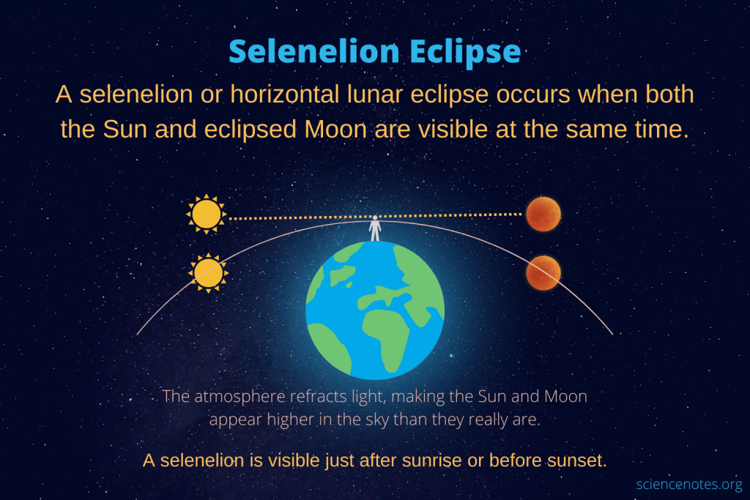
During a selenelion event, the eclipsed moon can be seen over one horizon, while the rising or setting sun is visible on the other. On Tuesday, the sun will be rising in the east while the moon sets in the west.Â
Both will be visible at the same time thanks to a phenomenon known as atmospheric refraction, explained ¶¶Òõh State Climatologist Jay Grymes.

Image courtesy of the AgCenter at LSU.Â
“Atmospheric refraction bends the light from the sun and the reflected light from the eclipsed moon, making them appear higher in the sky than they really are,� Grymes said.
Selenelion eclipses are rarer than other total lunar eclipses, occurring just once every few years on average, according to NASA.Â
The moon’s brightness during the event will depend on the amount of dust and other particles in the atmosphere, which can make colors appear duller. This upcoming eclipse will be visible to the naked eye, though experts say telescopes or binoculars can enhance the viewing experience.