
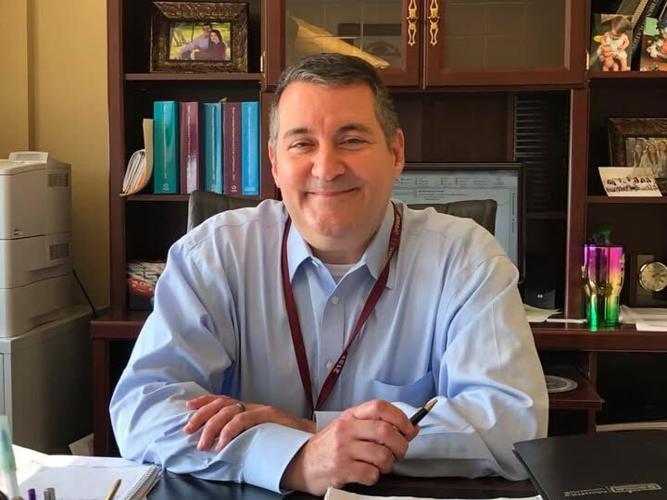


Kurt Wall stood before the Rotary Club of Baton Rouge on Wednesday afternoon and delivered a message to district attorneys in East Baton Rouge and surrounding parishes strapped for staff and resources: “We’re open for business.�
Wall is little more than three months into his tenure as the U.S. Attorney for the U.S. Middle District Court of ¶¶Òõh. The district court, based in Baton Rouge, is where federal civil and criminal cases in Ascension, Livingston, Pointe Coupee, Iberville, East and West Baton Rouge and the Feliciana parishes are handled.Â
Wall spend more than 30 years prosecuting cases at the state level, first for the East Baton Rouge District Attorney's Office, then at the Attorney General’s office for several years before moving to Livingston Parish where he was a chief felony prosecutor for the 21st Judicial District Court.
He remembered feeling like the U.S. Attorney's Office was a “black holeâ€� for cases. After referring state cases to the feds, Wall said he never got any status updates on them. Now that Wall is leading one of the chief prosecutors in ¶¶Òõh, he said he wants to increase the communication between his office and sheriffs and district attorneys in the region.Â
“Hopefully, we can help pull the wagon for all the DAs that need help,� he said. “I’m not going to tell them that we’re the savior, because we’re not. But we’re going be more involved and we’re going to do our part to try to help all of the DAs offices across the Middle District.�
He outlined an administration focused on stamping out illegal immigration and trafficking. President Donald Trump nominated Wall in May and it took multiple voting sessions before the Senate approved his confirmation Oct. 7. Wall was sworn in a week later, becoming one of the 93 U.S. attorneys.
Wall explained how presidents set public safety goals and send those priorities to the U.S. Attorneys in each state for them implement as policy initiatives. The Trump administration has asked federal prosecutors to hone in on immigration enforcement, attacking violent crime and snuffing out cartel groups and transnational criminal organizations.
Trump signed an executive order in January 2025 to establish the Homeland Security Task Force to dismantle human trafficking and smuggling across the border. The administration launched the task force in August and rolled it out with a slate of operations across the country over the span of 43 days. The effort, which was dubbed “September Surgeâ€� led to nearly 3,300 arrests and the seizure of more than 1,000 weapons and about 91 metric tons of drugs, according to the U.S. Department of Justice.Â
Many of the arrests were cartel groups like MS-13s, Sinaloa, Tren de Aragua and Cartel Jalisco Nueva Generacion, federal authorities say.
“You may not think it, but the cartels have their tentacles all across this country,� Wall said Wednesday. “And just because we’re Baton Rouge, and we’re not in New York or Miami, doesn’t mean we’re not affected by them as far as drugs and guns. Human trafficking and human smuggling. It would shock you the amount of cases that we get that are connected with those things.�
Wall said he is moving at a speedier clip and working to accept more cases from state agencies. He made it a mission to meet with stakeholders from the local sheriffs and DAs offices, and had 76 meetings his first 60 days in the new posts. He also hired a liaison to work directly with the district attorneys in the Middle District.
It has yielded signs of some early success. Wall said his office saw a 200% increase in the number of indictments and formal charges it filed between October and December compared to the same period in 2024.
“If there’s a federal nexus that you think exists in a crime, and you want us to be a part of it, send it our way,� Wall said his message was when he met with local sheriffs. “And we’re going to do what we can to help.�
During the luncheon, Baton Rouge attorney Franz Borghardt described Wall as “fair and fierce� and noted that he has been serving the community for more than 30 years as a prosecutor.
“That is, frankly, the kind of prosecutor we all want as members of our community,� Borghardt said. “He has been making our lives safer for a long time.�
After he spoke, members on hand asked Wall about warrants for searches and seizures in U.S. Immigration and Customs Enforcement raids. Wall said the immigration agents need some basis of reasonable suspicion to detain undocumented immigrants. The so-called was one such Homeland Security operation that spilled over into the Middle District from New Orleans last month. Wall said the raids targeted about 2,000 people with criminal backgrounds.
“These were people that were on a list for a reason. But what happens, inevitably, when they go out and target one of those people, there are going to be other people that are here illegally that are not on that list and don’t have criminal histories,� Wall said. “They’re here illegally and they don’t have a right to be here, but they may not be causing any problems. It may be the guy that works at your house for some reason. But when they go pick up that dangerous person that’s on the list, and they see other people there who are here illegally, they’re not leaving them there. They’re going to get swept up too.�